
Tapioca Products

How Can We Help
If you need any helps, please feel free to contact us.
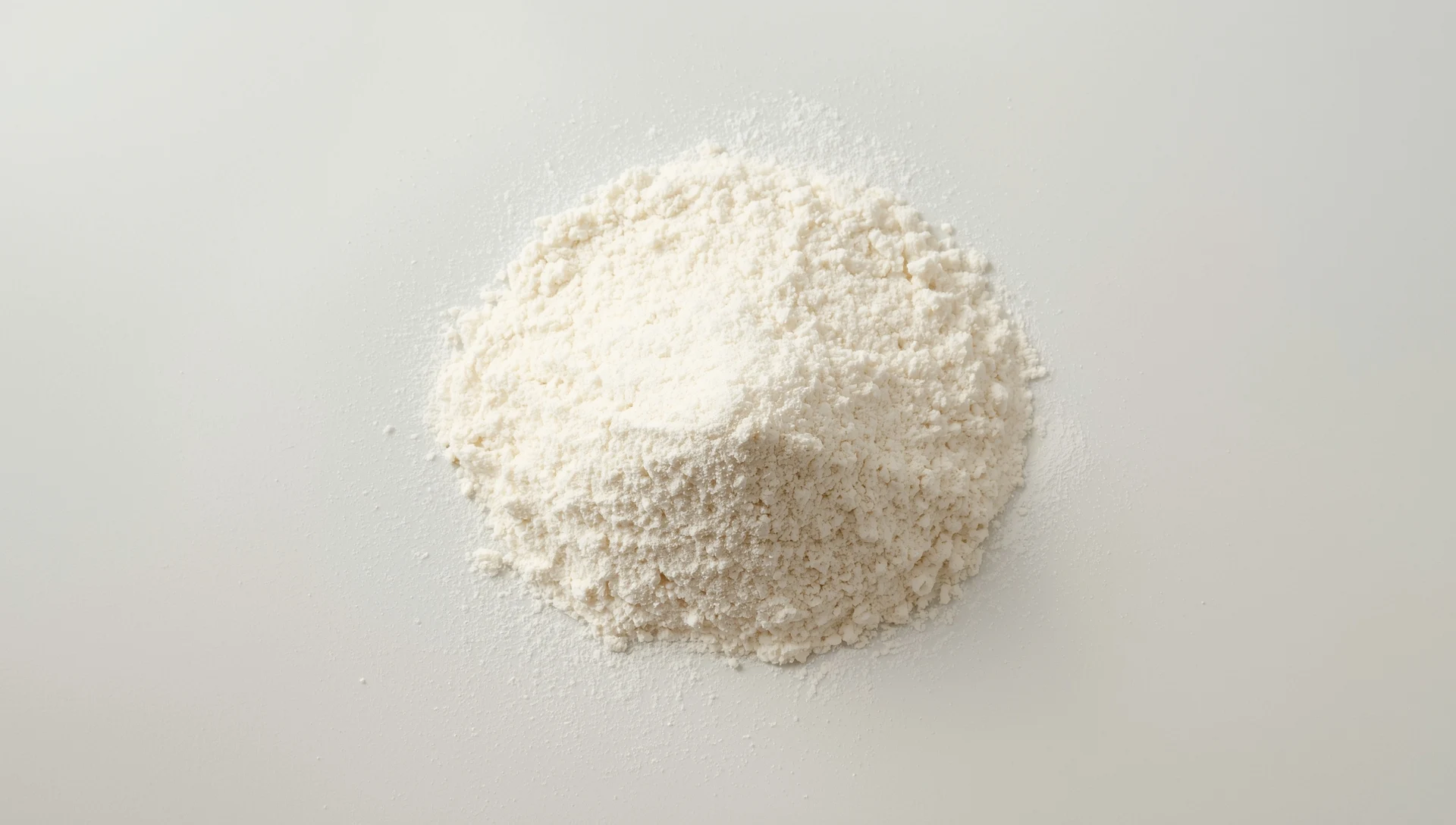
Tapioca is a natural starch extracted from the root of cassava (Manihot esculenta). As one of the most widely used starches in Asia, tapioca offers physical and functional properties that make it highly valuable across various industrial applications.
Tapioca Products
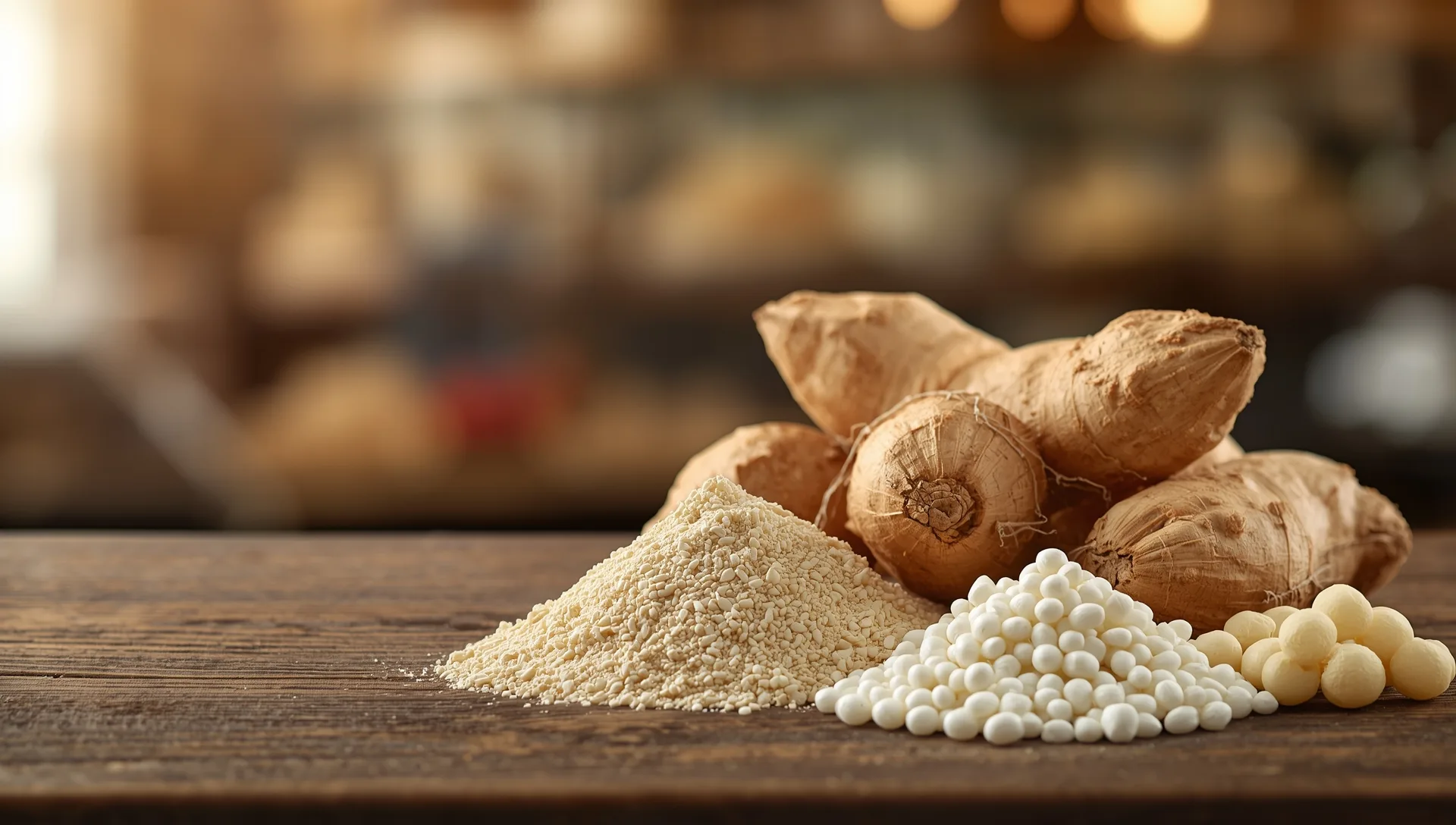
We offer a range of tapioca products to meet various industrial needs, including high-quality tapioca starch in fine powder form, cassava starch commonly used in commercial applications, and tapioca pearls designed for both beverage and specialized uses. Each product is processed with consistent quality standards to ensure optimal performance across different industrial applications.
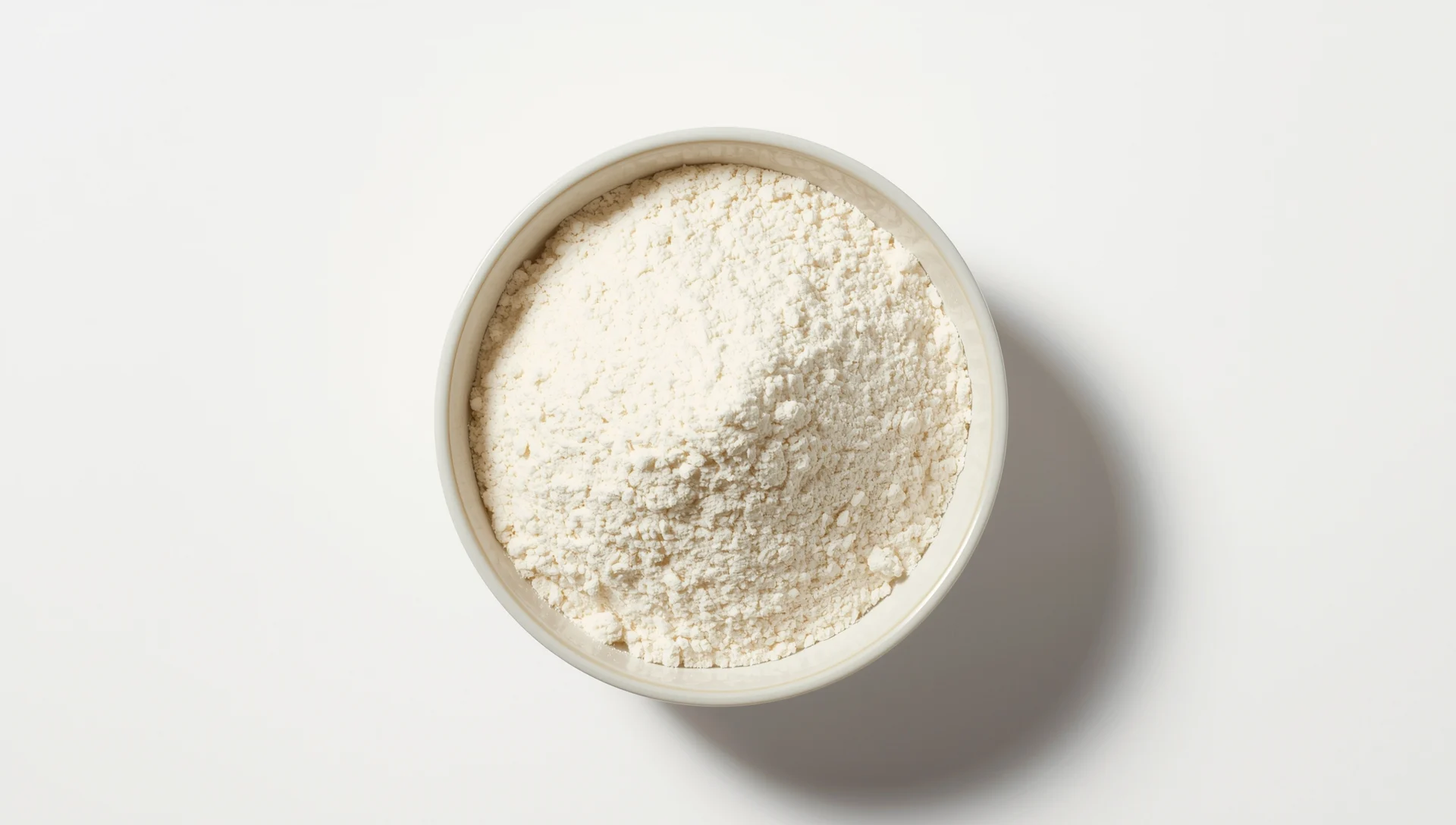
- Tapioca Starch – fine white powder with high stability
- Cassava Starch – the commercial name commonly used in Indonesia
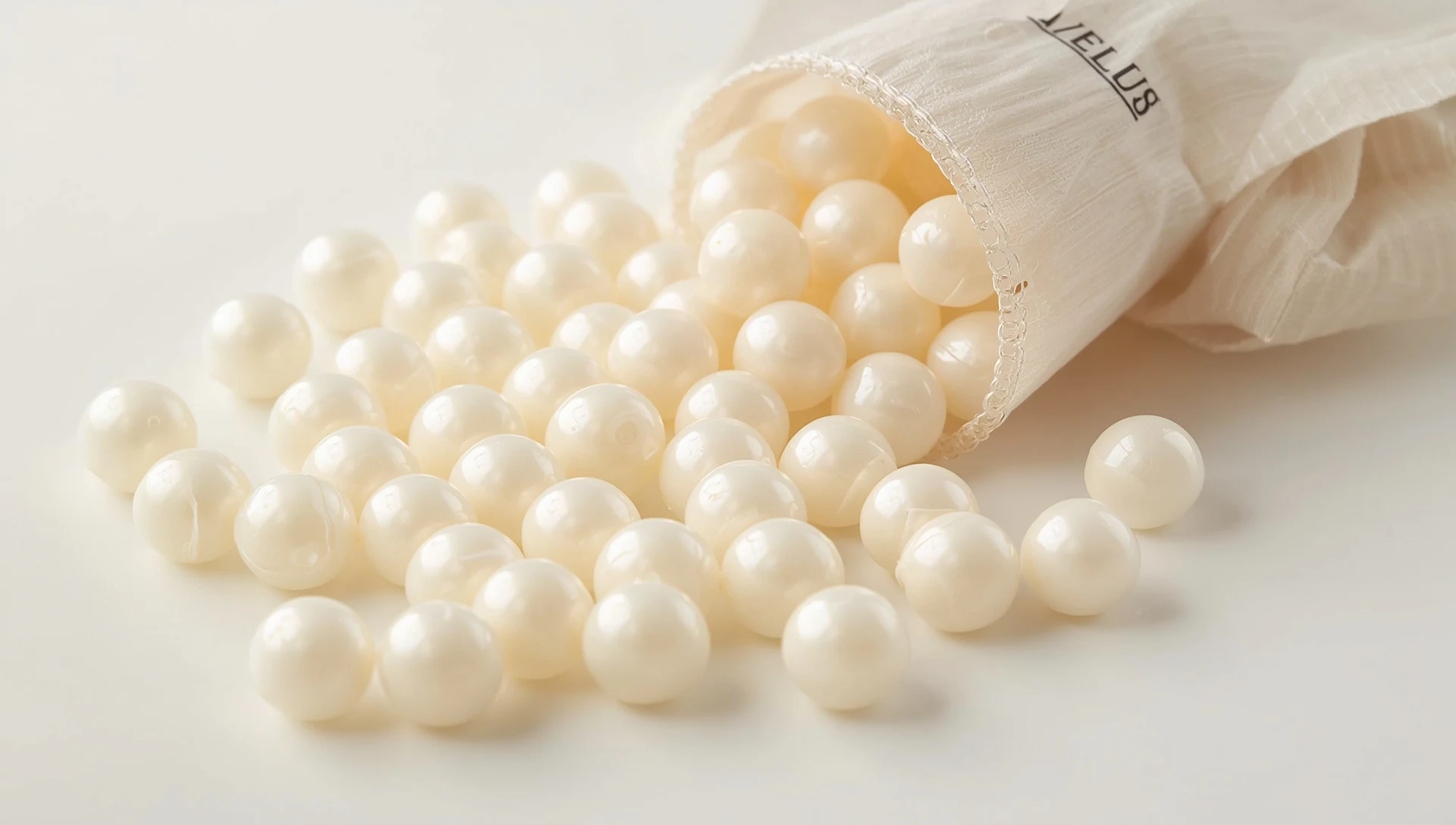
- Tapioca Pearls – round granules used for beverages, puddings, and specialized applications
Key Characteristics of Tapioca
Physical & Functional Properties
Odorless and neutral in taste, easy to blend with other materials
Naturally gluten-free
Creates a chewy, elastic, and slightly translucent texture when heated
Stable viscosity suitable for various industrial processes
Easily digestible, ideal for feed applications
Technical Advantages
Dissolves easily in hot water
Strong cohesive and adhesive properties
Provides structure and film-forming capability
Derived from a renewable, eco-friendly source
Industrial Applications (Non-Food)
Tapioca has a wide range of applications across several non-food industries. In the textile and paper industry, it is used as a sizing and finishing agent to create smoother, more uniform surfaces, enhance strength and durability, and ensure consistent performance in production lines. Its stable rheological properties and economical cost make it a preferred alternative to corn starch. Similarly, in the adhesives and glue industry, tapioca starch serves as the primary raw material for starch-based glues used in paper products, cartons, crafts, and light-duty adhesive applications, offering a biodegradable, low-cost, and chemical-free solution.
In plywood manufacturing, tapioca functions as a binder component in adhesive formulations, improving bonding strength, lowering production costs, and providing a safe, non-toxic option for manufacturers. Additionally, in the animal feed industry, tapioca is highly valued as a carbohydrate-rich ingredient that is easily digestible, compatible with a wide range of feed materials, and serves as a cost-effective energy source, making it an essential component in feed formulations.
Frequently asked questions
What are Industrial Tapioca Products?
Industrial tapioca products are starches derived from cassava (Manihot esculenta) used in non-food applications. They include tapioca starch (fine powder), cassava starch (commercial grade), and tapioca pearls, and are utilized in industries such as textiles, paper, adhesives, plywood, and animal feed.
In what forms are tapioca products traded?
These products are typically traded as fine powders, granules, or pearls, depending on the intended industrial application. Each form can have varying viscosity and functional properties tailored to specific processes.
What factors influence the price of industrial tapioca products?
Prices are influenced by raw material availability (cassava supply), production costs, energy prices, demand fluctuations in end-use industries, and global trade conditions.
Are there regulations or quality standards for trading tapioca industrially?
Yes. While tapioca is non-toxic and not classified as hazardous, it must comply with quality standards, documentation such as MSDS and COA, and any import/export regulations of the destination country.
How should industrial tapioca products be stored and handled?
They should be stored in dry, cool, and sealed environments to prevent moisture absorption. Packaging is typically in kraft bags with plastic liners or polypropylene sacks to ensure quality and prevent contamination during transport.