
Polyvinyl Alcohol

How Can We Help
If you need any helps, please feel free to contact us.
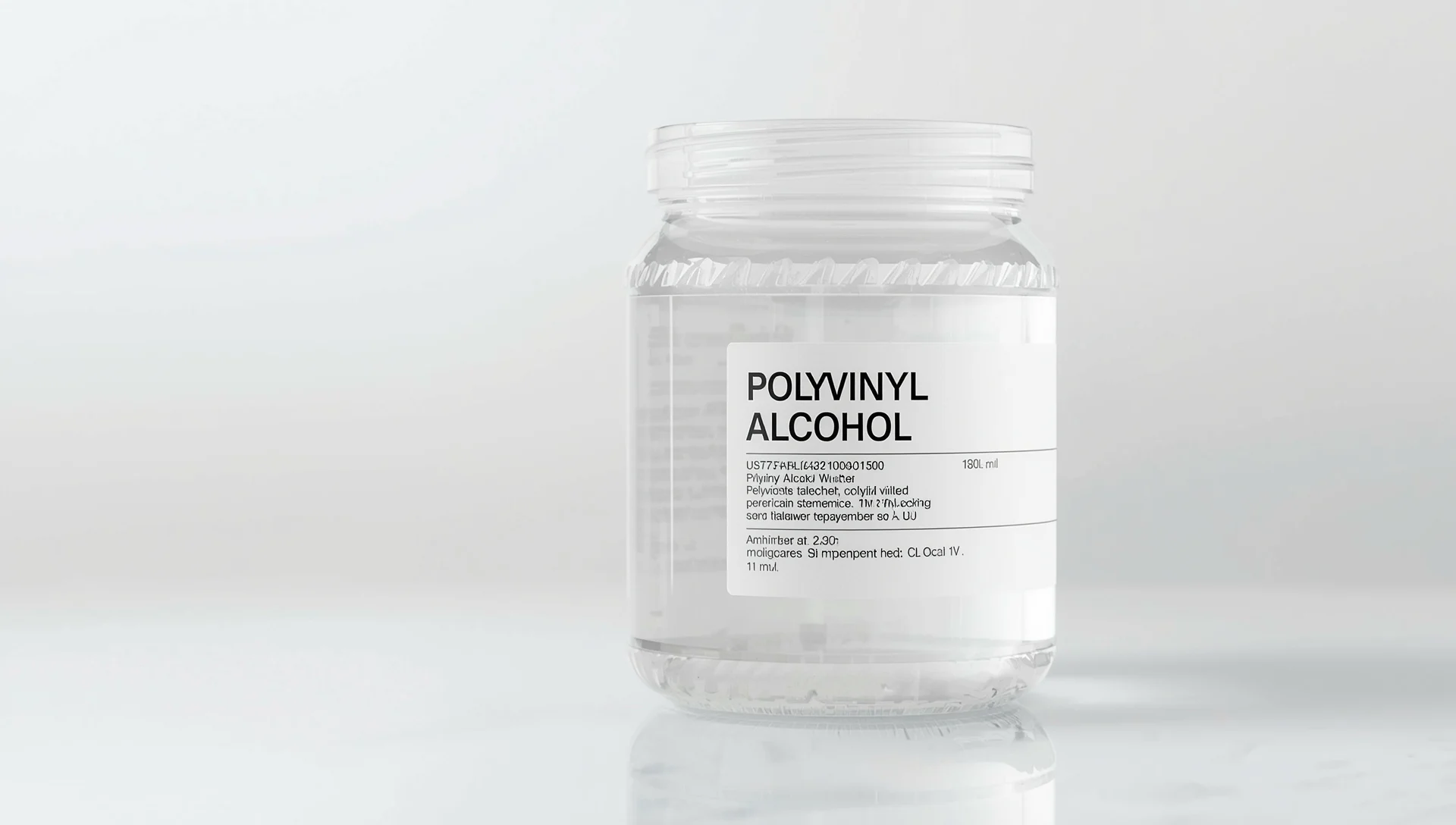
Polyvinyl alcohol (PVA) is a synthetic polymer that usually comes in the form of a white powder or granules that dissolves easily in water. It is widely used in the paper, textile, glue, and cosmetics industries.
Polyvinly Alcohol 098-27
Due to its water-soluble properties and ability to form films, PVA is used in many industries:
- Adhesive industry
- As a coating to increase the strength, smoothness, and printability of paper
- Water-soluble film
- Water-soluble detergent pouches
- Pesticide/chemical pouches designed to eliminate direct hand contact
- Certain environmentally friendly packaging applications
- Cosmetics & pharmaceuticals
- As a thickener, film former, and stabilizer in creams, lotions, and peel-off masks
- Tablet or capsule coating (film coating)
- 3D printing material (support material)
- In 3D printing (FDM), PVA is used as a support material that can dissolve in water after printing is complete.
Its advantages include good adhesion, the ability to form a clear and strong film, biodegradability under certain conditions, and relatively low toxicity.
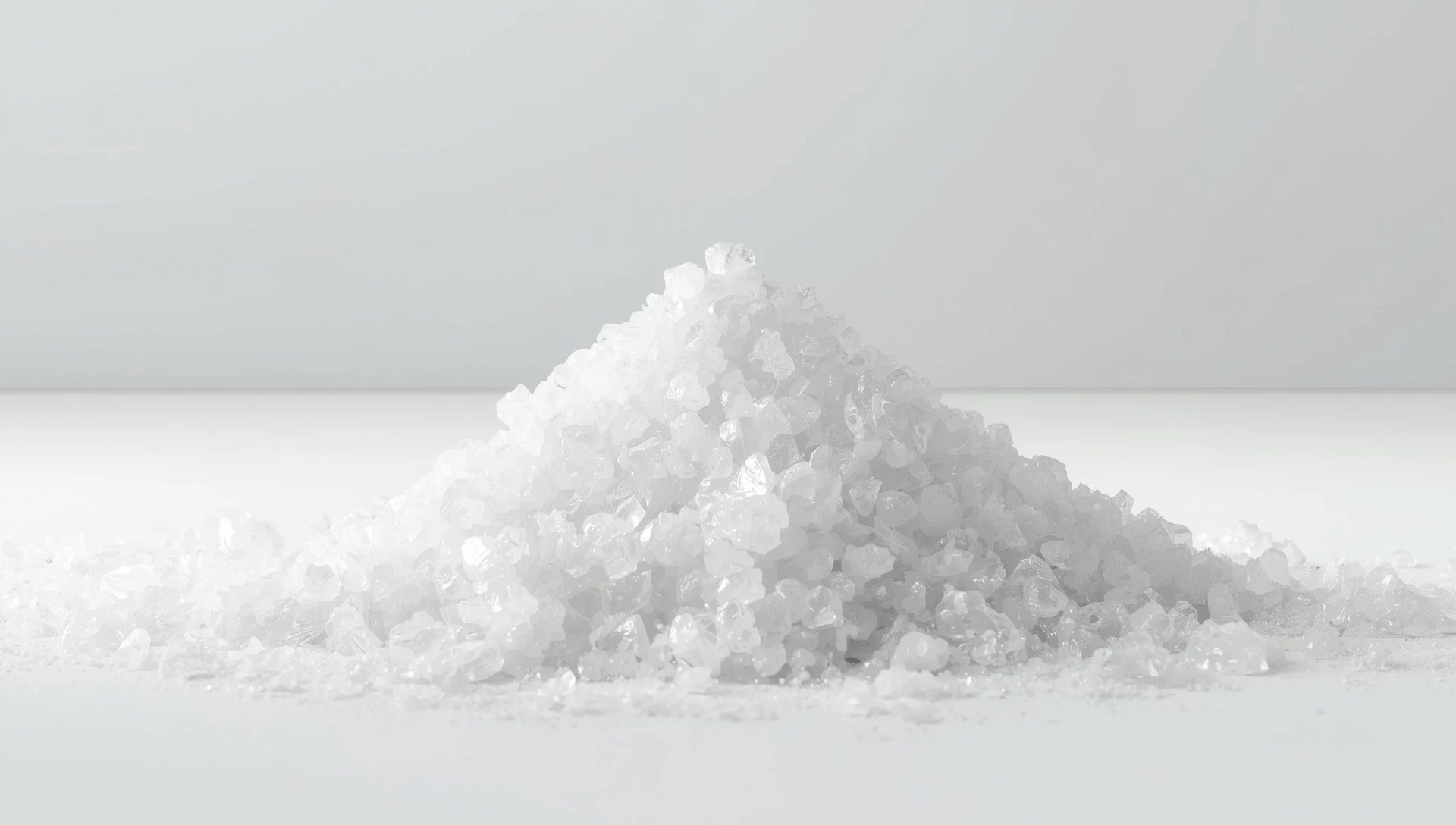
Physical and Chemical Properties
Some important properties of PVA :
Density: approximately 1.19–1.31 g/cm³
Melting point: approximately 180–230 °C (depending on the type of PVA)
Soluble in water, especially at warm/hot temperatures
Solution pH: usually neutral–slightly acidic
Resistant to oils and grease, but not very resistant to highly concentrated acids/bases
Safety & Environment
Low toxicity: generally considered safe in many industrial and consumer applications (depending on formulation and purity). Biodegradable: Some types of PVA can be broken down by microorganisms under certain conditions (e.g., in wastewater treatment plants), but the rate depends on the PVA structure and environmental conditions. Standard handling practices still require: Avoid inhaling powder dust. Wear a mask and gloves when handling large quantities.
Product Form & General Usage (For Industry)
The product is typically sold in the form of powder or granules/flakes, and is generally used by mixing it with water, then heating and stirring the mixture until fully dissolved—usually at 80–90 °C depending on the specification—after which it is applied as a PVA solution at a specified concentration, commonly around 5–15%.
Frequently asked questions
What is Polyvinyl Alcohol (PVA) and what is it commonly used for?
PVA is a water-soluble synthetic polymer widely used as an adhesive, film-forming agent, emulsifier, thickener, and as a raw material in the textile, paper, construction, and eco-friendly packaging industries.
In what forms is PVA typically traded?
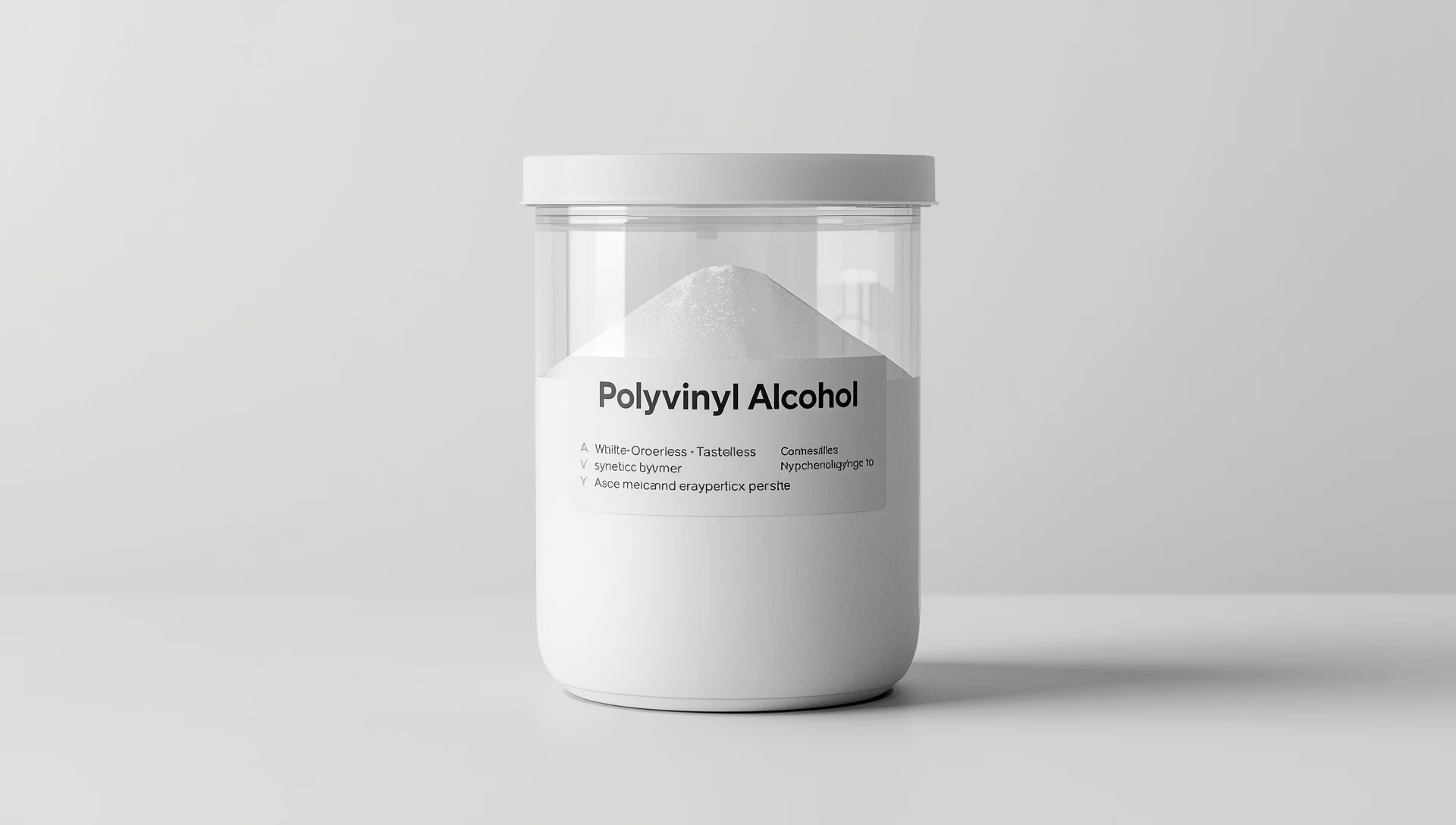
PVA is commonly sold in the form of powder or granules/flakes, with various viscosity grades and degrees of hydrolysis depending on industrial requirements.
What are the main factors that influence PVA prices in the market?
PVA prices are affected by the availability of raw materials (vinyl acetate monomer), energy costs, production capacity, fluctuations in industrial demand, and international trade conditions.
Does PVA have any specific regulations in international trade?
PVA is not classified as a hazardous material, but it must still comply with quality standards and documentation such as MSDS, COA, and the import regulations of the destination country (including applicable HS Codes).
What are the storage and packaging requirements for PVA during trade?
PVA should be stored in a dry, tightly sealed environment and protected from moisture due to its hygroscopic nature. It is typically packaged in kraft bags with plastic liners or polypropylene sacks to maintain quality during transportation.